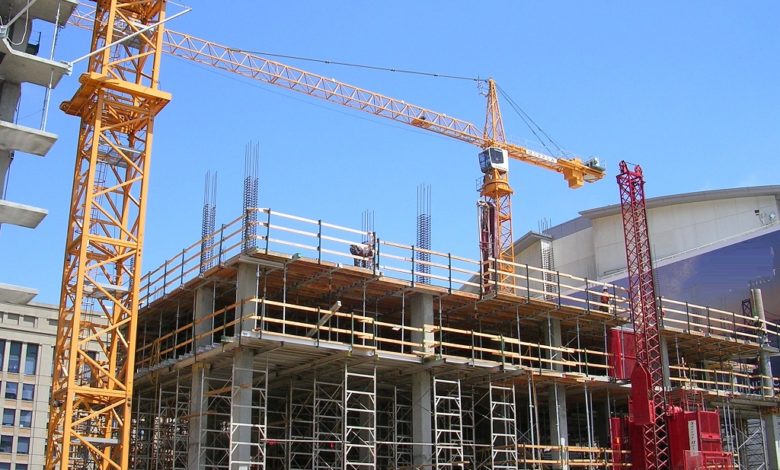
Choosing an industrial site location is one of the most important decisions a business can make when planning a manufacturing plant, warehouse, processing center, distribution facility, or other large commercial development. The location affects much more than the initial price of the land. It can influence construction expenses, permit approvals, utility access, transportation efficiency, workforce availability, insurance costs, environmental responsibilities, and future expansion.
Once a company has approved a new facility, it may be eager to begin industrial construction. However, selecting the first plot that fits the budget can create serious problems later. A low-cost property may require major grading, utility upgrades, road improvements, environmental remediation, or flood protection. A higher-priced site may already have suitable zoning, reliable infrastructure, convenient access, and better long-term operating conditions.
The best approach is to compare every potential location against the technical, financial, environmental, safety, and operational needs of the business. The following five factors can help decision-makers identify a site that supports efficient construction and reliable performance.
1. Physical Characteristics and Site Conditions
The physical condition of a property directly affects construction cost, project timing, and building design. Before purchasing or leasing industrial land, arrange professional surveys and technical assessments to determine whether the site can support the proposed structure, machinery, loading areas, storage zones, roads, drainage systems, and future additions.
Topography is one of the first issues to review. A sharply sloping site may require excavation, retaining walls, soil stabilization, or extensive grading. Even a mostly level property should be checked for poor drainage, erosion, standing water, and stormwater movement. Problems that appear minor during dry weather can become expensive once heavy rain exposes weaknesses.
Soil and subsurface conditions are equally important. Loose soil, expansive clay, underground rock, high groundwater, or poorly compacted fill can affect foundations and structural stability. Heavy machinery, storage tanks, high-bay buildings, and production equipment may require stronger foundations than a standard commercial building. A geotechnical investigation can identify soil-bearing capacity, settlement risks, groundwater levels, and suitable foundation options.
Environmental due diligence is especially important when the property was previously used for industry, agriculture, fuel storage, waste handling, or chemical processing. Soil or groundwater contamination can create liability, cleanup costs, and delays. Existing structures may also contain materials requiring controlled removal.
A suitable site should provide enough space for the main building, parking, loading docks, employee access, emergency routes, outdoor storage, utility equipment, stormwater controls, and future expansion. Land that only meets immediate needs may restrict growth and force an expensive relocation later.
2. Zoning, Permits, and Regulatory Requirements
A site may look suitable but still be unusable because of zoning restrictions, land-use rules, environmental requirements, or permit limitations. Before making a binding commitment, confirm that the proposed industrial activity is permitted at the location.
Local regulations may control building height, setbacks, signage, parking, truck circulation, outdoor storage, lighting, noise, operating hours, emissions, landscaping, and wastewater discharge. Some projects may also require special-use approval, rezoning, environmental studies, traffic assessments, or public consultation.
A location requiring several discretionary approvals may face delays, redesigns, additional professional fees, and objections from nearby property owners. In contrast, a development-ready industrial property with compatible zoning and established infrastructure can provide greater schedule certainty.
Businesses should also investigate requirements related to air emissions, hazardous materials, stormwater, fire protection, accessibility, worker safety, water consumption, and waste disposal. The obligations will depend on the facility’s activities, equipment, materials, and storage volumes.
Do not rely only on a property listing or general zoning label. Planning consultants, engineers, environmental specialists, legal advisers, and experienced builders should verify what can be developed and operated on the land. Purchase agreements should include appropriate due-diligence conditions so the buyer can confirm approvals and site suitability.
3. Community Compatibility, Workforce, and Safety
An industrial facility must fit responsibly within its surrounding area. Manufacturing plants, chemical facilities, warehouses, refineries, and processing centers may generate noise, truck traffic, vibration, dust, odors, light, emissions, or industrial waste. Consider the distance between the proposed site and nearby homes, schools, hospitals, businesses, and environmentally sensitive areas.
Buffer zones, landscaping, traffic controls, drainage measures, and emergency access can reduce the impact on neighboring communities. Early communication with local authorities, emergency services, utility providers, and nearby property owners can reveal concerns before they become expensive approval or design problems.
Workforce availability is another major consideration. A facility may need engineers, equipment operators, drivers, technicians, electricians, maintenance staff, supervisors, and general labor. Review local skills, wage levels, commute times, public transportation, housing availability, vocational training, and competition from other employers.
The property must also support safe working conditions for employees, contractors, visitors, and emergency personnel. Depending on the operation, this may require controlled-access areas, ventilation, fire suppression, gas detection, hazardous-material storage, emergency lighting, classified electrical equipment, and clearly marked evacuation routes.
Safety inside these high-risk zones is just as important as protecting the surrounding neighborhood. Many chemical plants and oil refineries have areas where flammable gases or dust are always present. In these spots, standard electrical equipment can cause sparks and start fires. Facility managers often look for a certified explosion proof camera for sale to safely monitor these sensitive zones. These specialized devices have heavy enclosures that contain any internal spark or heat. This helps keep the entire site secure and prevents new fire risks in the workplace.
Specialized monitoring equipment should be treated as one part of a broader safety system. Hazardous zones should be identified during planning, and all electrical, lighting, communication, surveillance, and monitoring equipment should be suitable for the gases, vapors, combustible dusts, or materials present.
The site should also provide clear access for fire engines, ambulances, and hazardous-material response teams. Security gates, internal roads, loading bays, parked trailers, and outdoor storage should not block emergency access.
4. Transportation Access, Utilities, and Digital Connectivity
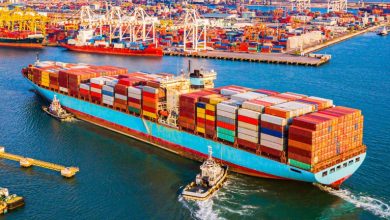
Efficient access to suppliers, employees, customers, and distribution networks is essential. Depending on the business, the site may need convenient connections to highways, truck routes, rail lines, ports, airports, or intermodal terminals.
Distance alone does not tell the whole story. Review congestion, bridge restrictions, road width, turning space, seasonal closures, tolls, delivery windows, and alternative routes. A property close to a major road may still perform poorly if trucks must travel through residential streets or congested intersections.
Utility capacity should be checked against actual operational demand. Confirm electrical capacity, voltage, natural gas supply, water pressure, sewer capacity, process water, fire flow, telecommunications, and drainage infrastructure. Ask providers about connection charges, upgrade timelines, reliability, redundancy, and future capacity.
Digital infrastructure is also essential. Modern facilities may depend on cloud systems, automated machinery, warehouse software, sensors, security equipment, and industrial control systems. Fiber availability, provider redundancy, mobile coverage, latency, and cybersecurity requirements should be reviewed before committing to the site.
Operations that cannot tolerate outages may need backup generation, battery storage, redundant feeds, or onsite energy systems. These features can protect production, reduce downtime, and improve continuity.
5. Total Cost, Resilience, and Future Flexibility
The purchase price represents only one part of the total cost. A complete comparison should include grading, foundations, roads, utility extensions, permits, environmental work, insurance, taxes, transportation, labor, security, stormwater controls, energy, maintenance, and compliance.
Natural hazards should also be assessed carefully. Flooding, extreme heat, wildfire, high winds, earthquakes, water scarcity, and severe storms can affect design, insurance, operating costs, and business continuity. Site-specific engineering may be necessary even when regional maps suggest a low risk.
Resilience planning should address power failures, water interruptions, transportation disruption, cyber incidents, supply-chain delays, and emergency access. Backup systems, protected utility equipment, alternative routes, stored water, and communication redundancy may be essential for critical operations.
Finally, the property should support future change. A good site provides room for additional production lines, storage areas, loading capacity, employee parking, utility upgrades, and new technology. Flexible building orientation, adequate yard space, and spare utility capacity can make expansion easier and less expensive.
Making the Final Site Selection
Industrial site selection should be based on verified information rather than appearance, convenience, or land price alone. Compare each property using consistent criteria that reflect construction feasibility, regulatory risk, community impact, safety, workforce, logistics, utility capacity, environmental conditions, resilience, operating costs, and growth potential.
Before signing an agreement, involve the professionals who will design, approve, build, insure, and operate the facility. Their early input can uncover risks that may not be visible during a standard site visit.
The right industrial site location can support safe construction, efficient operations, reliable logistics, regulatory compliance, and long-term growth. Careful evaluation at the beginning can prevent costly redesigns, approval delays, operational restrictions, and unexpected expenses after the project is underway.