Introduction: A System That Keeps the World Running
Behind every construction site, manufacturing plant, utility operation, and maintenance crew is a carefully organised system that ensures the right products reach the right people at the right time. This system is known as industrial supply, and it forms the backbone of modern commerce and infrastructure.
The commercial supply chain is a vast, interconnected network of manufacturers, wholesalers, and distributors all working in coordination to deliver essential products to the professionals who need them. Whether it is a builder sourcing hardware for a large-scale project or a technician replacing a worn component in critical equipment, the industrial supply chain makes it possible for work to continue without costly delays.
Understanding how this system works, who the key players are, and why it matters can help businesses make smarter procurement decisions and build stronger supplier relationships.
What Is Industrial Supply?
Industrial supply refers to the category of products and services that businesses and organisations use to carry out their operations rather than selling directly to individual consumers. Industrial suppliers are a specific type of business that primarily operates in the business-to-business (B2B) space, offering a wide range of products across multiple categories.
These companies serve clients across sectors including manufacturing, construction, utilities, facilities management, agriculture, healthcare infrastructure, and more. The products they supply are rarely glamorous, but they are absolutely essential to keeping operations running smoothly.
Common Industrial Product Categories
The scope of industrial supply is remarkably broad. Some of the most commonly distributed product groups include:
- Abrasives used in surface preparation and finishing
- Adhesives and sealants for bonding and sealing applications
- Electrical supplies including wiring, connectors, switchgear, and lighting
- Hand tools for precision and general use
- Hardware including fasteners, fittings, brackets, and anchors
- Heavy machinery and equipment for construction and manufacturing
- HVAC products for heating, ventilation, and air conditioning systems
- Janitorial and facility maintenance supplies
- Plumbing equipment and fittings
- Power tools for industrial and commercial applications
- Safety equipment and personal protective equipment (PPE)
- Welding materials including rods, wires, gases, and protective gear
- Lab equipment and specialised instruments
This list only scratches the surface. Industrial distributors often carry tens of thousands of individual SKUs to serve the diverse needs of their customers.
How the Industrial Supply Chain Works
To appreciate the value of industrial supply, it helps to understand the journey a product takes from raw material to end user.
Stage One: Manufacturing
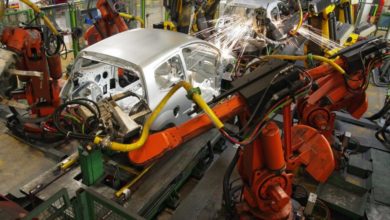
The process begins with manufacturers who transform raw materials into finished products. These might be large-scale factories producing electrical components or smaller, highly specialised operations making precision instruments or industrial mixing equipment.
Manufacturers focus their resources on what they do best: designing, engineering, and producing high-quality goods. However, reaching thousands of end users across different industries and geographic regions is a logistical challenge that falls outside the core competency of most manufacturers. This is where distributors become essential.
Stage Two: Industrial Distribution
Once products leave the manufacturer, they typically pass through one or more layers of distribution before reaching their final destination. Industrial distributors serve as the critical link between production and procurement.
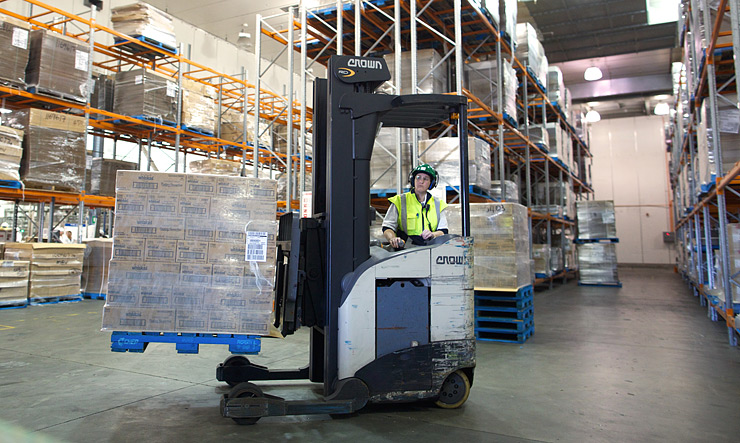
These companies consolidate products from multiple manufacturers, maintain large warehouse inventories, and operate sophisticated logistics and fulfilment systems. By centralising stock and managing the complexities of shipping, order processing, and customer service, distributors allow manufacturers to focus entirely on production.
For end users, distributors offer a single point of contact for sourcing a wide variety of products. Rather than negotiating with dozens of different manufacturers for individual product categories, a business can work with one or a few trusted distributors to cover most or all of their procurement needs.
Stage Three: End Users
The final stage of the supply chain involves the businesses and organisations that actually put these products to work. End users span an enormous range of industries including construction, utilities, oil and gas, food processing, pharmaceuticals, and beyond.
These companies rely on a dependable supply of products to keep their operations running. Delays in procurement can result in costly downtime, project overruns, or safety risks. This is why the efficiency of the industrial supply chain matters so deeply to every business that depends on it.
The Role of Specialised Distributors
Not all distributors operate in the same way. While broad-line distributors carry a wide range of product categories, specialised distributors focus on particular industries or product types. This specialisation allows them to offer deeper product knowledge, more tailored service, and stronger relationships with the manufacturers they represent.
Finding the right partner is a big part of this process for any company that makes specialised tools. Many manufacturers of industrial stirrers and mixers work with a network of established names to reach their customers. These partners have the warehouse space and shipping systems already in place. You can learn more about how these networks function by looking at the specific companies that carry high-quality lab equipment. This setup helps buyers get the parts they need without waiting for a factory to handle every small order. It is a system that keeps the supply chain moving for everyone involved.
Specialized distributors often carry more than just active machinery like mixers. They also provide the physical infrastructure required to keep a facility safe and organized. For instance, many facilities require heavy-duty lab cabinets to store sensitive chemicals and delicate glassware. These storage units are built to meet strict safety standards that standard office furniture cannot support. Having a reliable distributor for these items helps research facilities maintain compliance with local safety laws.
This model of manufacturer-approved distributor networks is becoming increasingly common across technical industries. It gives buyers confidence in product authenticity and quality while ensuring that manufacturers maintain visibility over how their products are being sold and supported.
Why Industrial Distributors Are Indispensable
The value that industrial distributors add to the supply chain goes far beyond simply moving products from one location to another. Their contribution touches every aspect of commercial operations for both manufacturers and end users.
Consolidation and Convenience
Rather than managing separate supplier relationships for every product category, businesses can rely on a distributor to provide access to thousands of products under one roof. This dramatically simplifies the procurement process and reduces administrative overhead.
Inventory Management and Availability
Industrial distributors invest heavily in maintaining large, readily available inventories. This means end users can access critical products quickly, often with same-day or next-day availability, rather than waiting for a manufacturer to fulfil a small order alongside larger production runs.
Logistical Expertise
Managing the movement of goods across regions or countries requires significant expertise. Distributors have dedicated logistics teams, established carrier relationships, and technology systems that ensure products arrive on time and in the correct quantities. They handle the complexity so their customers do not have to.
Technical Knowledge and Support
Many industrial distributors employ product specialists who can advise customers on which products best suit their specific applications. This advisory role adds significant value, particularly in industries where the wrong product choice can lead to equipment failure or safety issues.
Cost Efficiency Across the Chain
By aggregating demand across many customers and product categories, distributors achieve purchasing efficiencies that reduce overall costs. These savings are passed through to end users in the form of competitive pricing. Without distributors acting as intermediaries, manufacturers would need to invest heavily in their own logistics, sales, and marketing infrastructure, costs that would ultimately be reflected in higher product prices.
Modern Trends Shaping Industrial Supply
The industrial supply sector has evolved considerably in recent years, driven by advances in technology and changing business expectations. Several key trends are reshaping how distributors operate and how end users source their products.
Digital Procurement and E-Commerce
A growing number of industrial distributors now offer digital ordering platforms that allow customers to browse catalogues, check live stock levels, place orders, and track shipments online. This shift toward digital procurement is increasing efficiency and reducing the time and effort involved in day-to-day purchasing.
Data-Driven Inventory Management
Modern distributors use data analytics and demand forecasting tools to optimise their inventory levels. By predicting which products will be needed and when, they can reduce stockouts, minimise excess inventory, and respond more quickly to changes in customer demand.
Sustainability and Supply Chain Transparency
Businesses across all sectors are placing greater importance on the environmental and ethical practices of their suppliers. Industrial distributors are responding by offering more sustainable product options, improving the transparency of their supply chains, and working with manufacturers who meet recognised environmental standards.
Same-Day and Expedited Fulfilment
Speed of delivery is increasingly a competitive differentiator in industrial supply. Distributors with strategically located warehouses and strong carrier partnerships are able to offer faster fulfilment, reducing downtime for customers who need urgent replacement parts or supplies.
Choosing the Right Industrial Distributor
Selecting the right distribution partner is one of the most important procurement decisions a business can make. The right distributor can streamline operations, reduce costs, and provide reliable access to the products a business depends on. When evaluating potential partners, businesses should consider the following factors:
- Product range: Does the distributor carry the full range of products your business needs?
- Stock availability: Do they maintain sufficient inventory to fulfil orders promptly?
- Technical expertise: Can their team provide meaningful product guidance?
- Delivery capabilities: What are their lead times, and do they offer expedited options?
- Pricing and terms: Are their pricing structures competitive, and do they offer volume discounts or credit facilities?
- Reputation and reliability: What is their track record for order accuracy and customer service?
Building a strong relationship with a trusted distributor is not just a transactional arrangement. It is a strategic partnership that can give your business a competitive advantage through better product access, pricing leverage, and operational efficiency.
Conclusion: The Engine Behind Modern Industry
Industrial supply is one of those systems that is easy to overlook until it stops working. When supply chains break down, the consequences ripple outward quickly. Production halts, projects stall, costs escalate, and customers are left waiting. The efficiency and resilience of the industrial supply chain are what prevent these disruptions from becoming the norm.
At its core, the industrial supply ecosystem works because of the relationships between manufacturers, distributors, and end users. Each plays a vital role. Manufacturers create the products, distributors ensure they are accessible, and end users put them to work. When these relationships are strong and the supply chain is well managed, the entire economy benefits.
For any business that relies on a steady supply of industrial products, taking the time to understand this system and invest in strong distributor relationships is not just good practice. It is essential to long-term operational success.