Mechanical systems, whether they are found in a residential workshop or a large-scale industrial facility, rarely fail all at once. Instead, they typically degrade through a subtle, progressive cycle of friction, heat, and material fatigue. Recognizing this progression allows for better maintenance choices, shifting the focus from emergency repairs to long-term equipment preservation.
The Early Phase: Managing Friction Before Wear Begins
Every moving part encounters resistance. When two surfaces slide against one another, microscopic imperfections create drag, which generates heat and, over time, removes material from the interface. At this early stage, the goal is to prevent that initial contact.
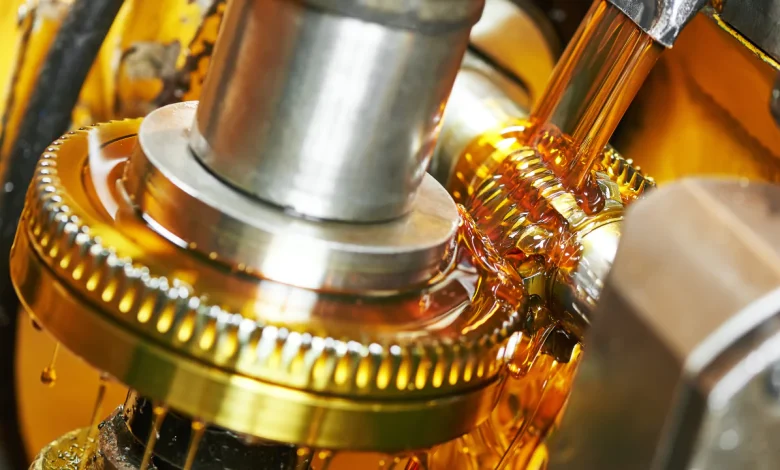
This is where the application of a best metal lubricant becomes meaningful. These products are designed to create a consistent, thin film that acts as a barrier, preventing metal-on-metal contact. When a system is new or recently cleaned, the application of a high-quality lubricant allows parts to move with minimal energy loss. By maintaining this layer regularly, you can often delay the onset of surface wear, keeping mechanical tolerances closer to their original specifications. The key is consistent application before any audible signs of strain, such as squeaking or sluggish movement, begin to manifest.
The Progressive Phase: Addressing Seized or Stuck Components
As mechanical systems operate, they may experience conditions that complicate maintenance. Exposure to moisture, extreme temperature fluctuations, or environmental debris can lead to oxidation or corrosion. When these environmental factors combine with standard wear, fasteners, joints, or hinges can become seized.
In this stage, a standard lubricant often provides insufficient relief. Instead, technicians often look for a lube job super penetrant. These formulations are engineered with lower surface tension, allowing them to migrate into incredibly tight, microscopic gaps between threads or surfaces that have been locked by corrosion. The mechanism here is a process of loosening and lifting, where the fluid works to displace moisture and break the physical bonds formed by oxidation. Unlike general-purpose oils, a high-performance penetrant is designed for the specific task of freeing components that have become resistant to movement, often acting as a bridge between a seized state and the ability to perform routine maintenance.
Signs of System Degradation and Necessary Adjustments
Determining when a mechanical component requires additional intervention is a skill that develops through consistent observation. In many cases, the first sign of a problem is not a breakdown, but a change in the sensory profile of the machine. An increase in operating temperature, an unusual vibration, or a shift in the sound profile of the system can indicate that the internal lubrication has broken down or been displaced.
When these symptoms appear, the approach should be systematic:
- Cleaning: Before applying any new product, the old, contaminated residue should be removed. This ensures the new lubricant can effectively coat the clean surface rather than sitting on top of grit or oxidized material.
- Targeting: Focus on the points of highest friction or those most exposed to the elements.
- Observation: After the application, monitor the system for a return to its normal performance level. If the symptoms persist, it may indicate that the underlying component has sustained damage that simple lubrication can no longer resolve.
Asking whether the friction is causing structural damage is a helpful way to decide if the current approach is working. If the mechanical performance does not stabilize after appropriate lubrication, it may be time to inspect the part for physical deformities or significant material loss.
Sustaining Mechanical Performance Over the Longer Term
Sustaining the efficiency of a machine is rarely about a single intervention. Instead, it involves integrating maintenance into the regular rhythm of equipment use. This means understanding the operating environment and adjusting the lubrication frequency accordingly.
Components operating in outdoor settings or areas with high humidity, for example, typically require more frequent attention because moisture actively works against the protective film of a lubricant. By keeping a log of when components were serviced, you can anticipate when the protective barrier is likely to thin and reapply before the cycle of friction and heat has an opportunity to restart.
This proactive stance turns maintenance from a reactive task into a system-preserving strategy. When you utilize a best metal lubricant to maintain smooth operation and have a lube job super penetrant ready for those instances where components have become stubborn, you are effectively controlling the variables that lead to premature equipment retirement.
Looking forward, the longevity of any mechanical assembly depends on this level of attention to the interface between parts. By recognizing the progression from smooth movement to potential friction and taking informed steps to protect those surfaces, you can ensure that tools and machines remain operational for as long as possible. The goal is to create a consistent, reliable environment for every moving part, ensuring that the work of the system remains focused on its primary function rather than overcoming its own internal resistance.